Automated Warehouse
Stock
Management
Warehouse shrinkage costs US distribution centers an estimated $46 billion annually. Autonomous stock management systems dramatically reduce shrinkage by catching discrepancies within hours — not at the next quarterly count.
Get Your Free
Free Shrinkage Analysis
Find out how much shrinkage is costing your operation and what autonomous stock management could save.
Request Received!
A stock management specialist will contact you within 1 business day with your custom shrinkage analysis.
What Gets Deployed
Manual Inventory Is Costing You More Than You Think
Shrinkage Goes Undetected for Months
Manual cycle counts catch shrinkage weeks or months after it occurs. By then, the inventory gap has compounded — and determining the cause is nearly impossible.
Stock Level Surprises
Production lines halt. Customer orders fail. Reorder points are missed. All because stock levels reported in your system don't match physical reality on the shelf.
Manual Count Labor Is Wasted
Skilled warehouse staff spend 20–30 hours per week on cycle counts — a task that doesn't add value but consumes significant labor cost and disrupts normal operations.
Deployed in 4–6 Weeks
Shrinkage Baseline
We establish your current shrinkage baseline and identify which locations, SKUs, and time windows present the highest shrinkage risk.
Stock Level Rules
Configure reorder point alerts, stock threshold notifications, and high-value item monitoring — customized to your specific stock management requirements.
Continuous Validation
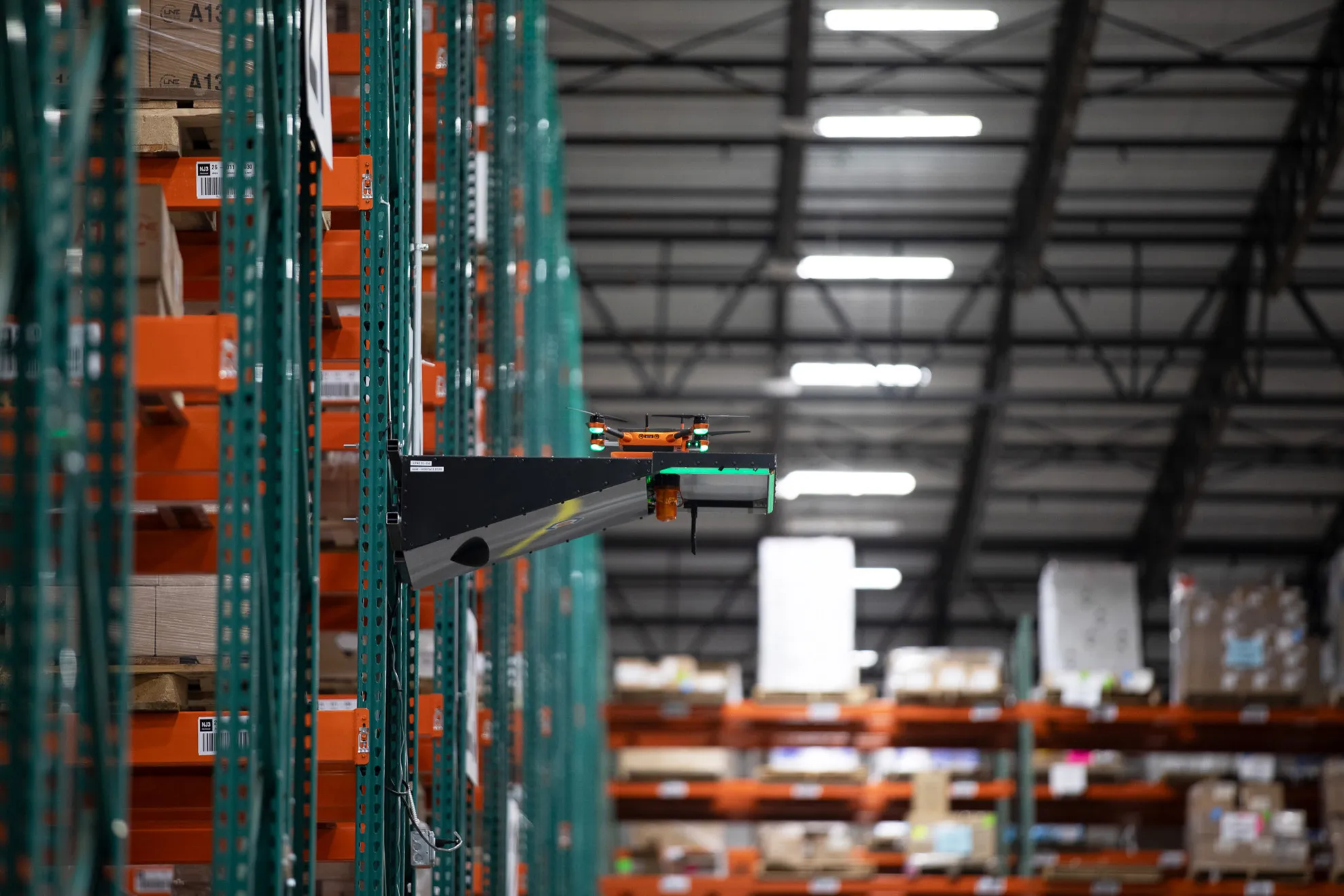
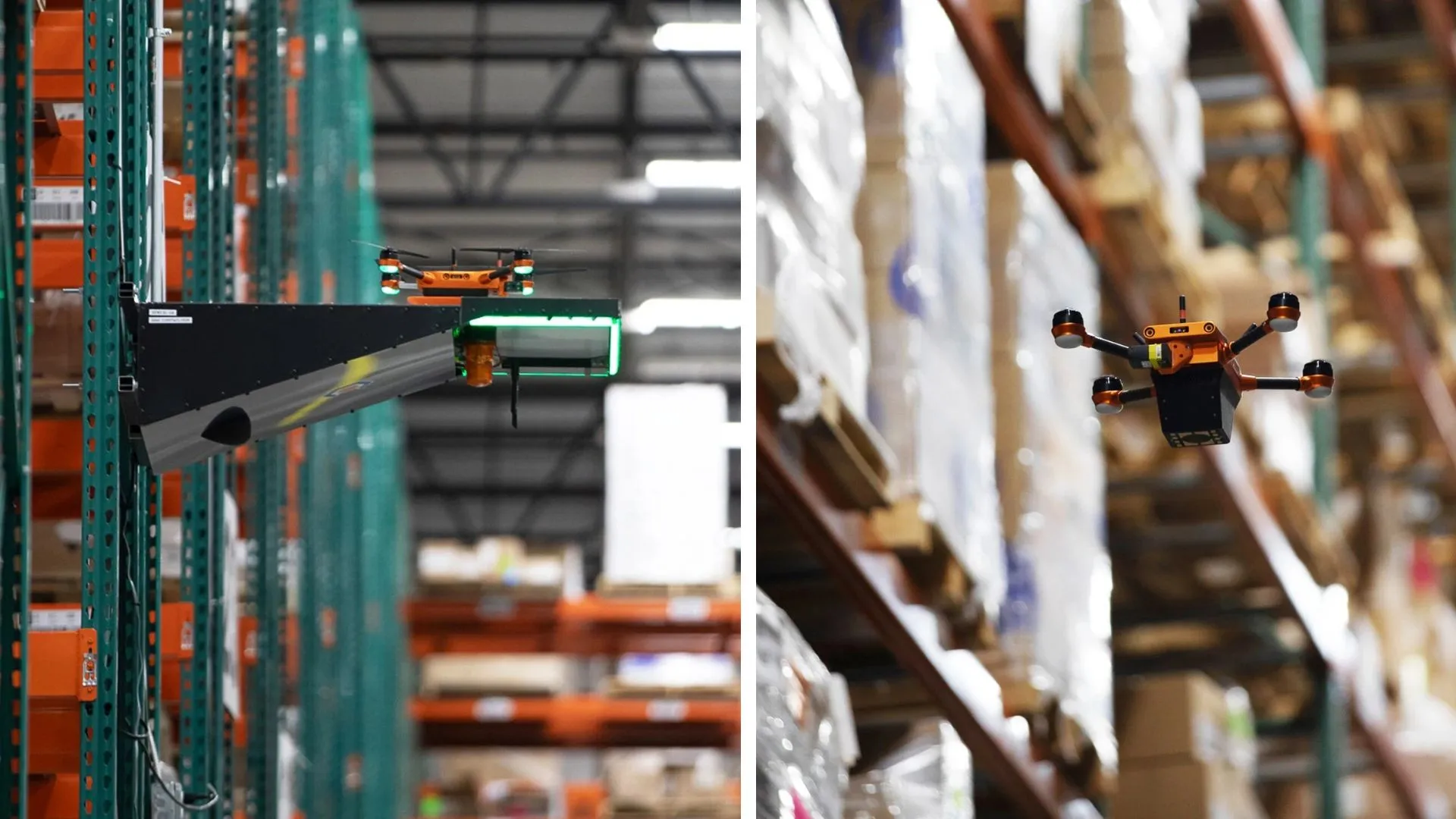
Drones continuously validate stock levels against WMS records — catching discrepancies within hours and generating an alert before small losses become large ones.
Shrinkage Reporting
Monthly shrinkage reports, trend analysis, and before/after comparisons. You'll see measurable shrinkage reduction within the first 90 days.
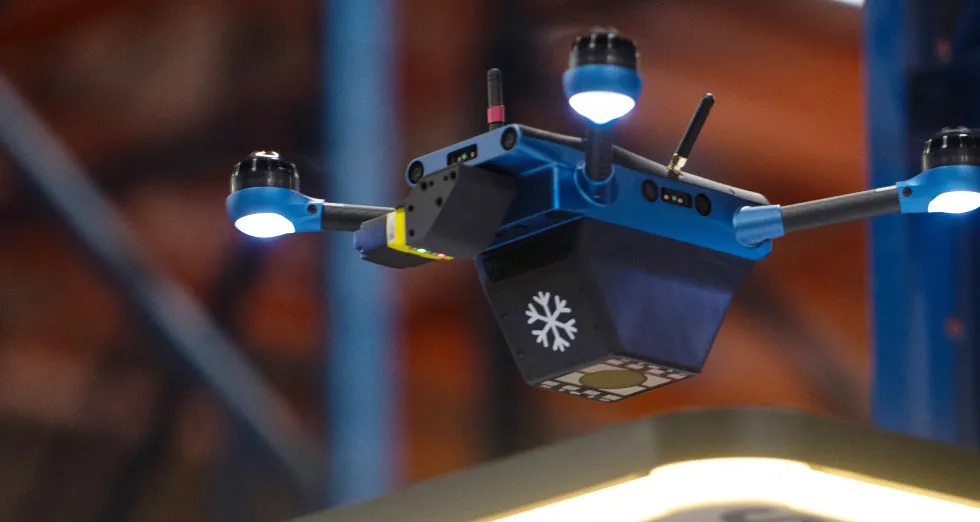
The World's First Fully Autonomous Inventory Drone
Shrinkage Detection Within Hours
Discrepancies are detected the moment the next drone flight passes that location — hours after occurrence, not months. Earlier detection means earlier response and dramatically lower losses.
Automated Reorder Alerts
When stock falls below configured threshold levels, your purchasing team receives an automatic alert — before a stockout occurs, not after a customer order fails.
High-Value SKU Priority Monitoring
Configure your highest-value or highest-shrinkage SKUs for more frequent monitoring flights — giving you tighter control where the financial exposure is greatest.
Measurable ROI in 90 Days
Most operations see measurable shrinkage reduction within the first quarter. We provide before/after reporting so you can quantify the impact at 30, 60, and 90 days.
Stop Shrinkage.
Protect Your Margins.
Get a free shrinkage analysis and see how much autonomous stock management could recover for your operation.
Common Questions
By detecting discrepancies within hours instead of weeks, you can investigate and respond before the trail goes cold. Earlier detection means more recoveries, faster process corrections, and a measurable reduction in loss over time.
The system detects that inventory is missing or misrecorded — root cause analysis is a human function. However, the timestamped, location-specific data generated by every flight dramatically improves your ability to identify patterns and root causes.
We configure stock threshold levels per SKU or location in the system. When a drone flight detects stock below threshold, an alert is automatically generated to your purchasing or replenishment team with the specific item and current quantity.
Product shortages (theft, damage, picking errors), miscounts, phantom inventory (items in WMS but not physical), and location errors that allow stock to be lost or overlooked within the facility.
Yes. The system generates monthly shrinkage reports showing discrepancy rates by location, SKU, time of day, and week — enabling data-driven investigation of patterns and systemic root causes.